

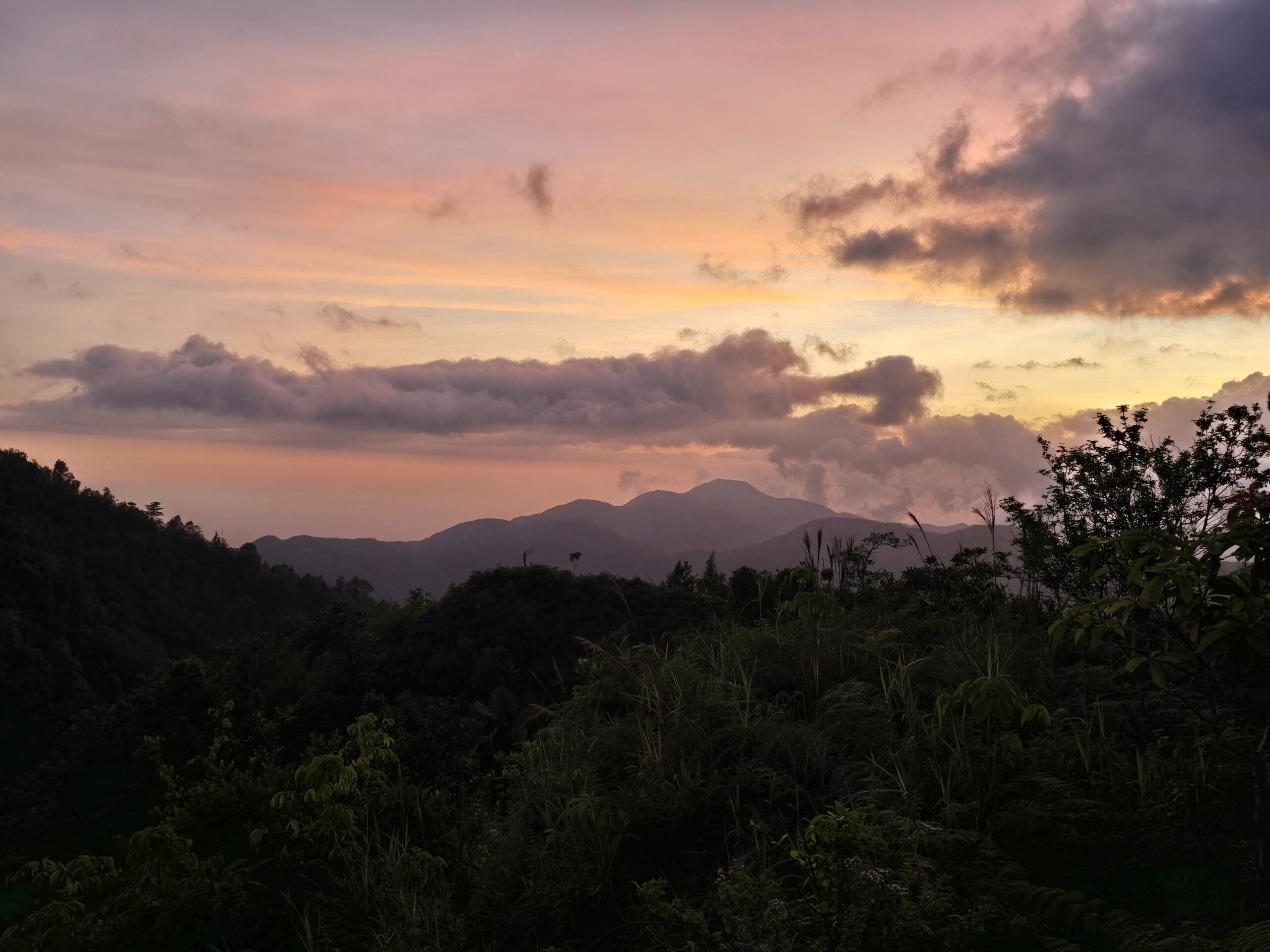
New signage, safer trails, improved waste management, and community engagement mark another step forward in protecting one of Haiti’s most valuable natural ecosystems.
In December 2025, Haiti National Trust (HNT) and our sister foundation, Société Audubon Haïti (SAH), reached an important milestone when the Haitian government, through the Agence Nationale des Aires Protégées (ANAP), renewed our management delegation contract for Grand Bois National Park for another five years.
As we shared in our previous article, A New Chapter for Grand Bois: A Milestone for Haiti’s Natural Heritage, this renewal represents a strong commitment to the long-term protection of one of Haiti’s most remarkable biodiversity hotspots.
Today, that commitment continues to translate into concrete actions on the ground. While ecological restoration and the protection of threatened species remain central to our mission, managing a national park involves much more than planting trees and protecting forests. It also requires maintaining infrastructure, improving accessibility, preventing environmental damage, raising awareness, and working closely with the communities who live in and around the protected area. Over the past year, our team has implemented several important improvements to strengthen the management and protection of Grand Bois National Park.
Making park boundaries and regulations clear
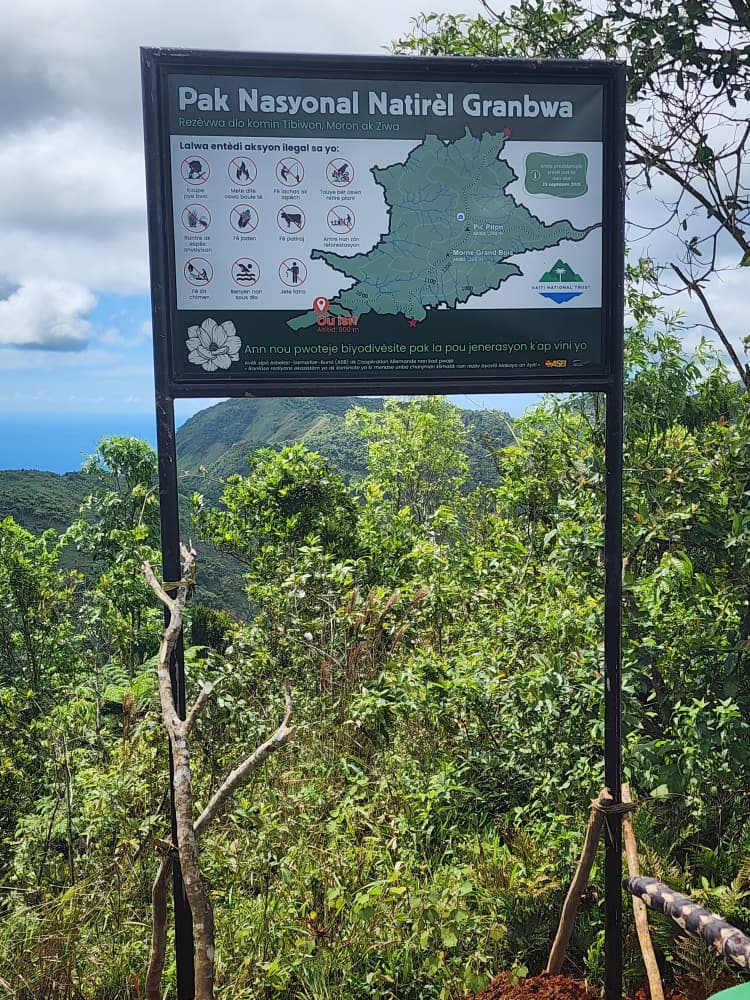
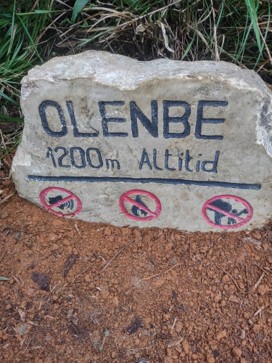
One of our priorities has been to improve the visibility of the park’s boundaries and ensure that everyone entering Grand Bois understands its protected status. We have installed informational signs at the park’s entrances, featuring maps that identify the park’s boundaries, indicate visitors’ locations, and clearly illustrate prohibited activities, including tree cutting, hunting, agricultural clearing, and livestock grazing. In addition, directional markers carved into natural stone have been installed at strategic locations throughout the park. These markers help people navigate the trail network by indicating directions, identifying key locations and their elevations, and displaying reminders of prohibited activities. Designed to be durable and blend into the natural landscape, they provide practical guidance while reinforcing awareness of the park’s regulations.
Together, these signs and markers serve an important purpose: helping people understand where the protected area begins, navigate its trails, recognize which activities are prohibited, and understand how their actions can affect its fragile ecosystems. By making this information visible and accessible, we aim to prevent unintentional violations, encourage responsible behavior, and reinforce the importance of respecting the park’s regulations.
Improving trails for people and nature
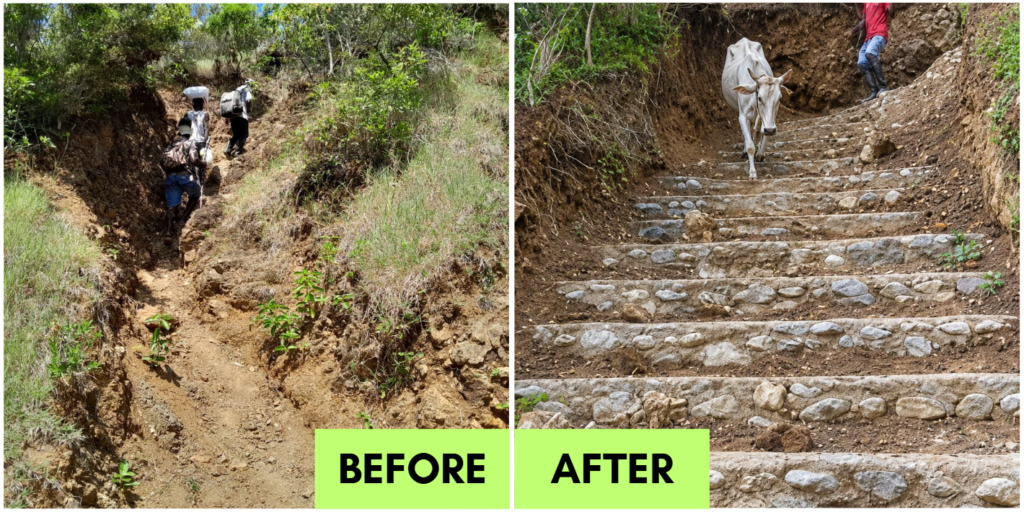
Grand Bois is characterized by steep slopes, rugged terrain, and erosion-prone soils. For the communities that depend on trails crossing the mountain, navigating certain sections can be particularly dangerous, especially during heavy rainfall. To address these challenges, we rehabilitated six critical sections of the trail network, where erosion, unstable slopes, and difficult passages posed risks to people and contributed to environmental degradation. The improvements included constructing steps, stabilizing slopes, reinforcing vulnerable sections, and installing erosion-control structures using materials such as stone, bamboo, and other locally available resources. All six rehabilitation sites have been completed, and field assessments confirm that the structures are stable and functional.
The benefits extend beyond improved safety. Local residents report fewer accidents and easier passage, particularly when transporting goods. Importantly, safer and more accessible trails also reduce the need to create informal detours around difficult sections. Every new trail cut through the forest can disturb vegetation, expose soils to erosion, introduce invasive species and contribute to habitat degradation. By improving existing routes, we are helping communities move more safely while reducing additional pressure on the surrounding ecosystem. This is an important example of how practical infrastructure improvements can benefit both people and biodiversity.
Improving waste management
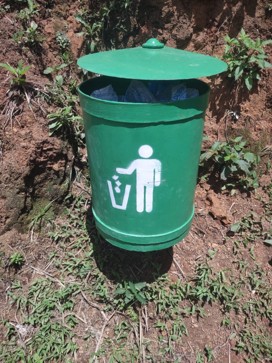
Protecting a national park also means addressing everyday sources of pollution. To encourage proper waste disposal, we have installed trash bins at various strategic locations throughout the park. Although waste management may seem like a small component of conservation, discarded plastics and other materials can accumulate in natural environments, pollute soils and waterways, and affect wildlife. Providing designated disposal points is one practical way to promote responsible behavior and maintain a cleaner environment. To ensure that waste is properly managed, HNT has a dedicated team responsible for regularly emptying the bins, collecting the waste, and ensuring its appropriate disposal. These improvements complement our ongoing community awareness activities, which emphasize the importance of preventing pollution and taking collective responsibility for the park’s protection.
Strengthening awareness and community participation
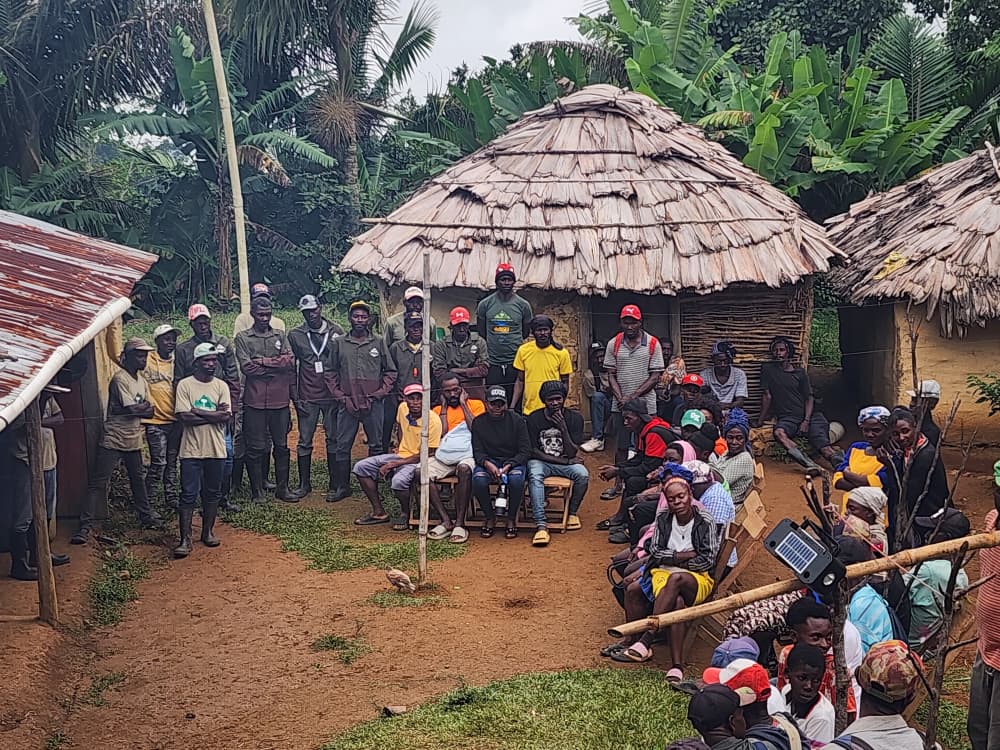
Infrastructure alone cannot protect a national park. Its long-term success depends on the people who use, live near, and help safeguard it. Throughout 2026, our team has continued organizing environmental awareness activities with local communities, addressing issues such as illegal tree cutting, livestock grazing, forest fires, waste management, and the importance of conserving native and endemic species. Between January and September 2026, 48 awareness sessions were organized, creating opportunities for dialogue about the park’s regulations, environmental threats, and the responsibilities we share in protecting Grand Bois.
Our forest rangers continue their regular patrols to monitor illegal activities, protect restoration areas, and engage with community members. These efforts are particularly important because Grand Bois continues to face human pressures. Improving signage, maintaining trails, and strengthening community awareness are not isolated activities, but complementary elements of a broader park management strategy. Local authorities and community leaders also play an important role, supporting awareness activities, reporting violations, and collaborating with our team to improve protection efforts.
Building a stronger future for Grand Bois
Grand Bois National Park is home to exceptional biodiversity, including rare and threatened species found nowhere else on Earth. Protecting this extraordinary ecosystem requires sustained effort, long-term investment, and effective management. The improvements made over the past year may appear modest individually, but together, they represent something much greater: the development of a better-managed, more clearly protected, and more resilient national park.
Our renewed management delegation allows us not only to continue our ongoing efforts to restore forests and protect threatened species, but also to strengthen the long-term management of the park. At the heart of these efforts are the local communities, whose involvement is essential to the future of Grand Bois. Through continued collaboration, employment opportunities, and environmental awareness, we are seeing a growing sense of ownership and pride among community members, who increasingly recognize that this park is not simply a protected area, but part of their natural heritage, a source of benefits for their communities, and something worth protecting for future generations. We remain grateful to ANAP, our local partners, the communities of Grand Bois, and the donors whose support makes this work possible.
At Haiti National Trust, we believe that successful conservation is not only measured by the forests we restore or the species we protect, but also by the communities who come to recognize the value of their natural heritage and take an active role in safeguarding it.